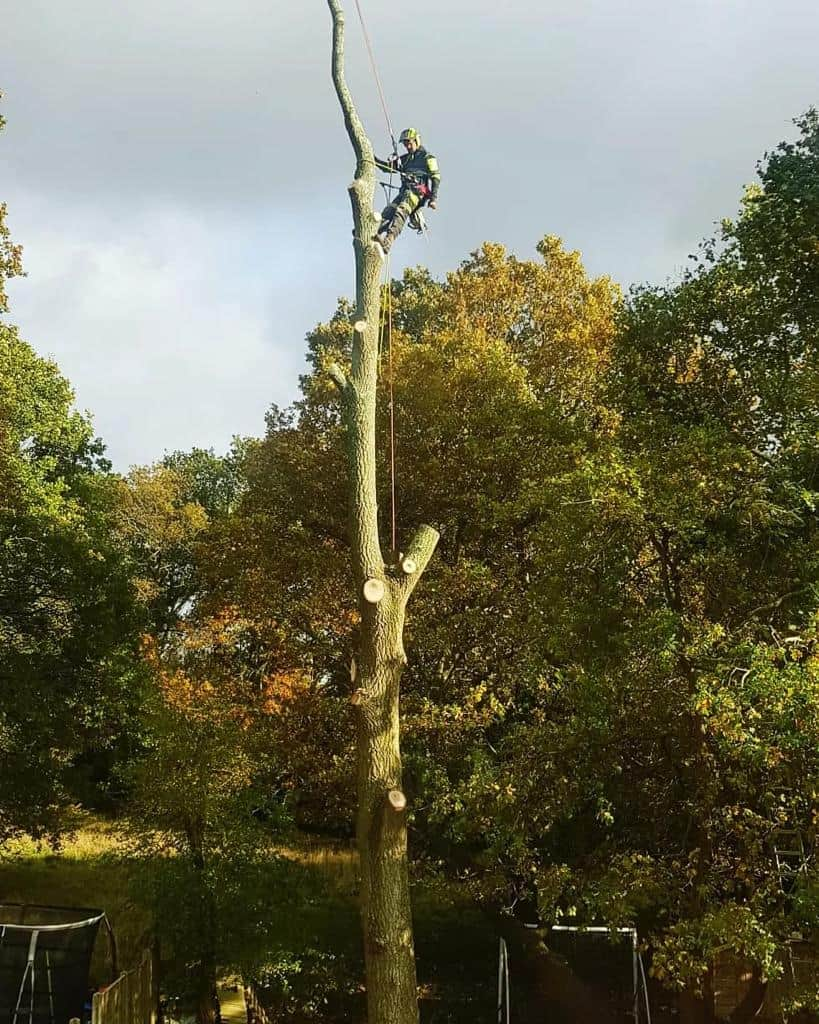
An unhealthy-looking tree is not necessarily beyond recovery. Sparse foliage, dead branches, uneven growth or early leaf loss can result from many different causes, including physical damage, poor growing conditions, excessive competition and root disturbance. Some of these problems can be managed successfully when they are identified early.
For tree owners in South Cerney, Gloucestershire, the first step should be a professional assessment. Tree surgery can improve the condition, structure and manageability of certain trees, but the treatment must be matched to the actual cause of decline.
How Professional Tree Surgery Can Support an Unhealthy Tree
Tree surgery cannot bring a dead tree back to life or reverse every advanced problem. It can, however, remove defective growth, reduce unnecessary strain and create better conditions for recovery where sufficient healthy tissue remains.
Establish Whether the Tree Is Truly Declining
The appearance of a tree changes naturally with the seasons, and different species develop leaves and shed foliage at different times. A tree that looks bare or uneven may not necessarily be unhealthy.
A professional assessment considers several features together, including:
- The density and colour of the foliage
- The presence of healthy buds
- Dead or dying branches
- Cracks, cavities and damaged bark
- Fungal growth around the trunk or roots
- Changes in the tree’s lean or stability
- Root disturbance and soil conditions
- The pattern and speed of decline
Looking at the complete tree helps distinguish temporary stress from progressive deterioration.
Deadwood Removal Can Improve Safety and Structure
Dead branches no longer contribute to the tree’s growth and may eventually fall. Removing appropriate deadwood can reduce avoidable hazards and prevent damaged branches from interfering with healthy parts of the crown.
Deadwood removal also gives the tree surgeon a clearer view of the remaining structure. This can reveal crossing branches, weak unions or areas that require monitoring.
The amount removed should reflect the tree’s species, condition and surroundings. Small dead twigs within a mature crown do not always require intervention.
Selective Pruning Can Reduce Unhelpful Competition
Overgrown crowns may contain crossing, rubbing or poorly positioned branches. Repeated contact can damage bark and create wounds, while heavily congested growth may place strain on weaker unions.
Selective pruning can remove specific problem branches while retaining as much healthy foliage as possible. The aim is to improve crown structure rather than simply make the tree smaller.
Poorly planned or excessive pruning can weaken an already stressed tree by reducing its ability to produce energy. This is why the position and size of every cut matter.
Crown Reduction May Relieve Excessive Strain
Crown reduction decreases the height or spread of a tree by shortening selected branches back to suitable growth points. It may be appropriate when an overextended crown is placing excessive leverage on weakened limbs or branch unions.
A carefully executed reduction can:
- Reduce the weight of long lateral branches
- Improve clearance around nearby features
- Limit strain on vulnerable unions
- Retain a balanced crown shape
- Make the tree more manageable
Crown reduction is not a universal treatment for poor health. Removing too much living growth may worsen decline, so it should only be recommended after the tree’s vitality and structure have been assessed.
Damaged Branches Can Be Removed Correctly
Storms, impact and previous poor pruning can leave branches split, torn or partially detached. Jagged wounds and hanging limbs may continue damaging adjacent tissue.
Professional removal creates an appropriate pruning cut without unnecessarily injuring the branch collar or trunk. Correct cutting cannot erase the original damage, but it can give the tree a better opportunity to contain the wound naturally.
Previous Pruning May Be Part of the Problem
Large stubs, flush cuts and heavily topped branches can lead to decay, weak regrowth and an unbalanced crown. A tree may then appear dense in some areas and sparse in others.
Remedial tree surgery may help improve its structure over time, but correcting earlier damage is rarely achieved in one visit. A staged approach can sometimes retain useful growth while gradually addressing weak or unsuitable branches.
Root and Soil Conditions Must Be Considered
Not every tree problem begins in the crown. Roots provide water, nutrients and structural support, so changes around the base can have a significant effect on health.
Possible issues include:
- Compacted soil
- Prolonged waterlogging
- Restricted rooting space
- Excavation or construction damage
- Soil added around the trunk
- Mechanical damage to surface roots
- Competition for water and nutrients
Pruning the crown will not resolve an underlying root problem on its own. The soil, root flare and recent changes around the tree should therefore form part of the assessment.
Warning Signs That Need Prompt Attention
Professional advice should be sought when a tree develops:
- Sudden or extensive leaf loss
- Large dead sections within the crown
- Hanging or split branches
- New cracks in the trunk or major unions
- Fungal growth near the base
- Loose or lifting soil around the roots
- A recent change in lean
- Significant bark loss
- Rapid decline following ground disturbance
These symptoms do not all mean that the tree must be removed. They do indicate that its condition and stability should be examined promptly.
Recovery May Take More Than One Growing Season
Trees respond slowly compared with smaller garden plants. Following appropriate work, improvement may be seen through stronger buds, better leaf development or reduced dieback, but recovery can take time.
Monitoring is therefore important. A tree surgeon may recommend reviewing the crown, pruning points and general vitality after a suitable interval. Further work should be based on how the tree responds rather than carried out automatically.
When Tree Surgery Cannot Save the Tree
Tree surgery has limits. A tree may not be suitable for retention when it is dead, structurally unstable or affected by extensive irreversible decay. In such cases, repeated pruning may reduce the crown without addressing the underlying failure.
The decision should be based on evidence from the trunk, crown, roots and surrounding conditions. Where removal is necessary, the reasons should be explained clearly rather than assumed from appearance alone.
Conclusion
Tree surgery can help an unhealthy tree when there is sufficient vitality and the cause of decline can be managed. Deadwood removal, selective pruning, careful crown reduction and attention to damaged branches may improve structure and reduce strain. However, effective treatment begins with diagnosing the problem and avoiding unnecessary cutting.
EM Tree Surgery South Cerney provides professional tree assessments and tree surgery in South Cerney, Gloucestershire. If a tree on your property appears unhealthy or has changed noticeably, contact our team to arrange an assessment and determine the most appropriate course of action.
Call us on: 01285 708 216
Click here to find out more about EM Tree Surgery South Cerney
Click here to complete our contact form and see how we can help with your trees needs.